Squad Rotation Patterns Shape Multi-Sport Parlay Pricing in Congested Fixture Windows
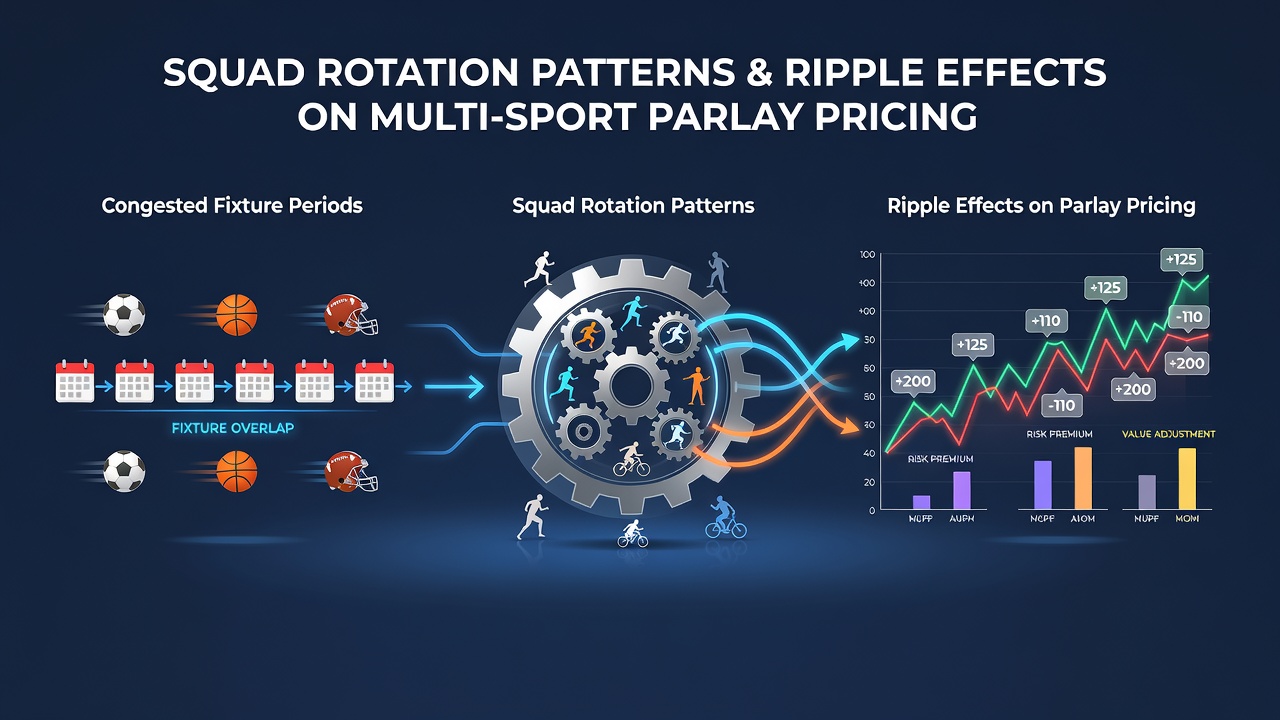
Teams across football and basketball adjust lineups when fixtures pile up, and those adjustments feed directly into how bookmakers set lines for multi-sport parlays. During periods with matches every two or three days, managers rest key players, which changes goal probabilities, point spreads, and over-under totals that later appear in accumulator odds.
Rotation Patterns in High-Density Schedules
Football clubs in the Premier League and European competitions face clusters of games from December through February, while NBA teams navigate back-to-backs and three-games-in-four-nights stretches from January onward. Data from league tracking systems show that starting elevens change by an average of three to four players when a side plays twice in under seventy-two hours. Similar patterns emerge in basketball, where coaches limit minutes for star players after consecutive road games.
These changes alter statistical outputs that pricing models rely on. Reduced minutes for a team's top scorer lower projected points, which in turn softens over totals in basketball legs of a parlay. In football, rested forwards reduce expected goals, pushing goal-line markets lower and affecting correlated bets that include both sports.
Impact on Single-Sport Markets First
Bookmakers update their models with fresh lineup information released one to two hours before kickoff. When rotation occurs, implied probabilities shift by two to five percentage points in key markets such as total goals or player props. Those single-sport adjustments then ripple outward because multi-sport parlays multiply the odds across events from different codes.
Cross-Sport Correlations During Congested Periods
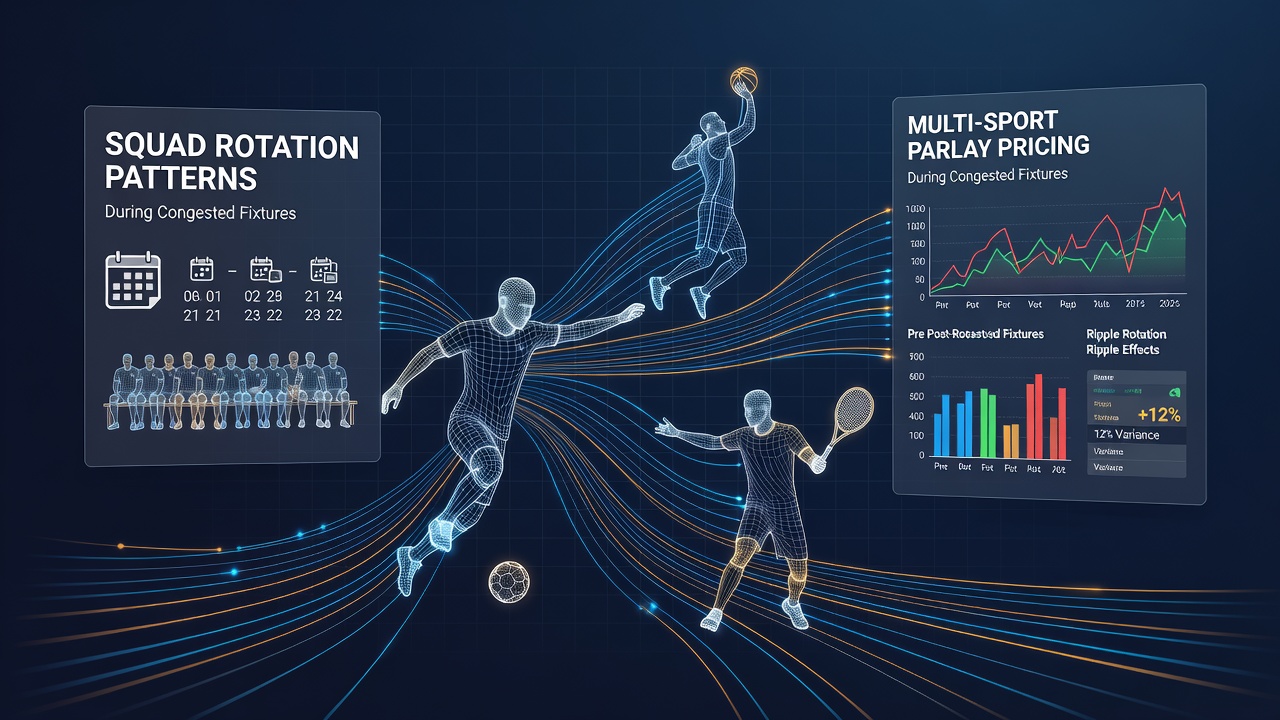
Parlay constructors often combine a football match with an NBA game played on the same evening. When both legs involve teams managing heavy schedules, the pricing engine accounts for fatigue in both directions. Research published by the Stats NZ sports analytics division indicates that joint probability calculations widen by up to eight percent when both events feature documented rotation.
Take a weekend in late January 2026 when several Premier League sides play midweek cup ties followed by league fixtures, while NBA teams complete a four-game-in-five-nights block. Rotation in one sport does not occur in isolation; the reduced output in football goal tallies can offset or amplify basketball point totals depending on whether the parlay includes overs or unders.
Pricing Adjustments in Accumulators
Operators recalibrate multi-leg prices using real-time availability feeds. A rested striker in a football leg might drop a parlay's combined odds from 6.50 to 5.80 because the goal-line market tightens. At the same time, a basketball team resting its point guard can push the spread wider, creating a counterbalancing effect that some pricing engines capture through covariance matrices.
During July 2026, clubs preparing for pre-season tournaments and early domestic cups begin similar rotation cycles even though the calendar pressure appears lighter. Data feeds from training-load monitors reveal that managers still limit minutes for players returning from international duty, and those limits translate into early adjustments for cross-sport bets that include both football friendlies and summer league basketball games.
Market Response and Liquidity
Betting exchanges show increased volume on parlay products once lineups are confirmed. Liquidity providers widen spreads temporarily when rotation news arrives late, which raises the effective price for the customer. Industry reports from the European Gaming and Betting Association note that this widening occurs most frequently in products linking football goal lines with basketball player performance props.
Those who track historical fixture congestion find consistent patterns: the greater the number of games in a fourteen-day window, the larger the swing in accumulator pricing once rotation becomes public. Models that incorporate squad depth metrics therefore produce more stable prices than those relying solely on season-long averages.
Conclusion
Squad rotation during congested periods alters the underlying probabilities that multi-sport parlay prices depend on. Football and basketball teams manage player availability differently across dense schedules, and those management decisions move single-sport lines in ways that compound across combined bets. Observers who monitor lineup releases and training data can follow the sequence from rotation announcement to final parlay price without relying on subjective forecasts. The process remains driven by measurable changes in expected output across both sports.