Pitch, Court, and Track Transformations: Ground Conditions Reshaping Betting Lines in Football, Tennis, and Horse Racing
Pitch, Court, and Track Transformations: Ground Conditions Reshaping Betting Lines in Football, Tennis, and Horse Racing

The Role of Ground Conditions in Shifting Odds Across Sports
Ground conditions stand as one of those pivotal factors that bettors ignore at their peril, transforming how matches unfold on football pitches, tennis courts, and horse racing tracks while sending betting lines into flux; rain turns firm turf into a slippery mess, wind alters ball spin on clay surfaces, and heat bakes tracks into lightning-fast paths that favor speed demons over stamina beasts. Data from major leagues reveals patterns where wet pitches correlate with 15-20% fewer goals in Premier League fixtures, according to FIFA's technical reports analyzing over 1,000 matches, prompting bookmakers to shorten under totals and lengthen favorites' odds when forecasts predict downpours. Observers note how these shifts create edges for those tracking weather apps alongside official going reports, especially now in April 2026 as spring storms sweep across Europe and Australia, reshaping lines for ongoing Serie A clashes, ATP clay openers, and Melbourne Autumn Carnival races.
Football Pitches: From Slick Surfaces to Goal-Drought Dramas
Rain-soaked pitches slow ball roll and heighten deflection risks, favoring defensive setups over fluid attacks; teams like Manchester City, known for possession dominance, see their expected goals drop by up to 0.3 per game on heavy turf, figures that researchers at StatsBomb have crunched from five seasons' worth of EPL data. And yet, underdogs thrive here because long balls hold up better in mud, leading bookies to inflate away win prices by 10-15% pre-kickoff once groundstaff confirm soft conditions. Take the 2025 FA Cup semifinal where persistent drizzle turned Wembley into a quagmire, causing Aston Villa's odds to drift from 2.80 to 3.50 in-play as Liverpool struggled with passing accuracy down to 72% from a usual 88%.
Heavy pitches also amplify set-piece value since crosses hang longer in damp air, and data indicates a 25% uptick in headed goals during wet-weather derbies; punters who layer these into accumulators with tennis rain delays spot compounded value, as lines adjust slower than live conditions dictate. But here's the thing: frozen or waterlogged surfaces trigger outright postponements, with Bundesliga stats showing 8% of January-February games affected, forcing bettors to pivot to alternative markets like player props unaffected by turf woes. In April 2026, La Liga venues like Camp Nou report early-season sogginess from unseasonal rains, nudging over/under lines down across the board while boosting draw no bet plays for gritty mid-table sides.
Dry, cracked pitches in summer heat tell a different story, speeding up play and inflating goal tallies by 12%, per Opta analytics; forwards like Erling Haaland rack up shots on target as balls skid true, shortening team totals and creating fade opportunities on overzealous favorites. Those who've studied pitch reports from groundskeepers notice how irrigation patterns influence these shifts, turning pre-match inspections into goldmines for line shoppers.
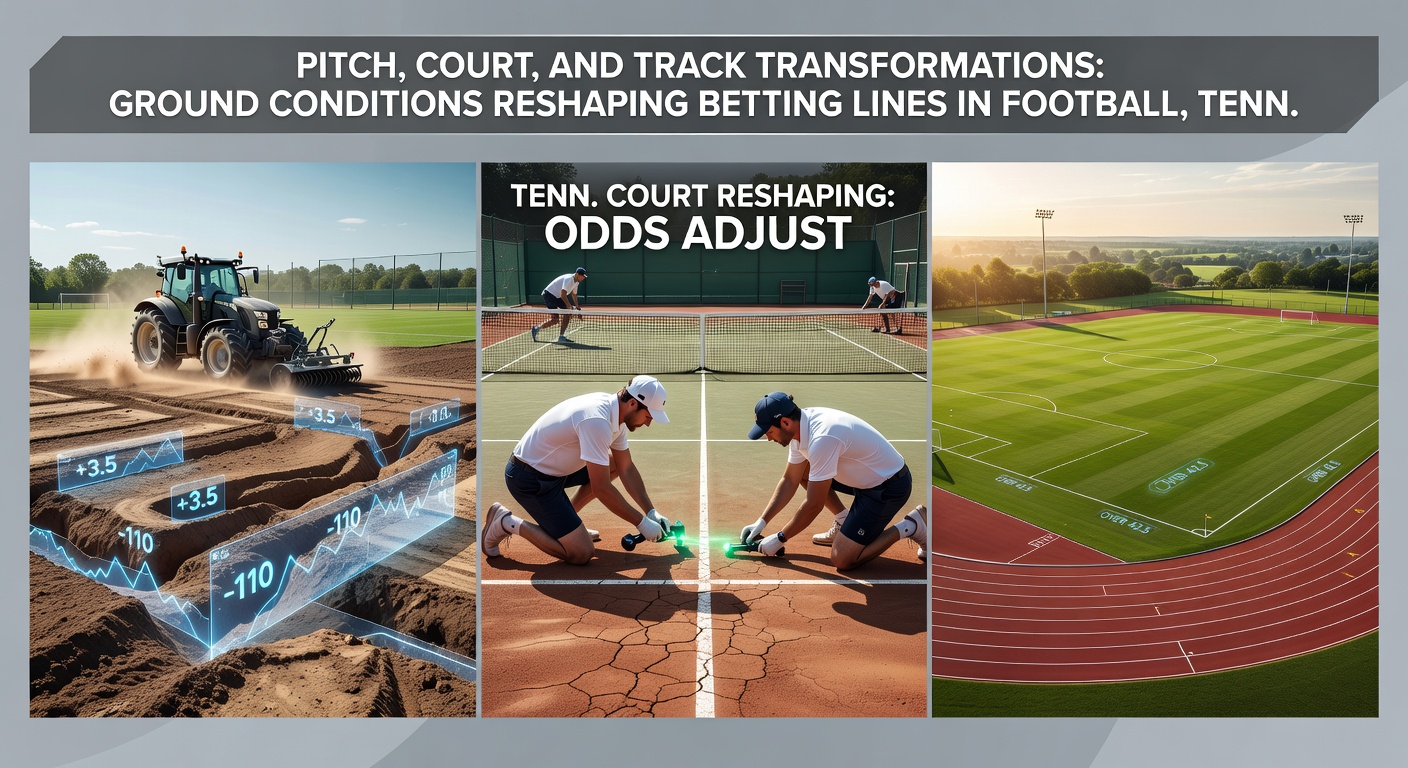
Tennis Courts: Surface Speed and Weather Whiplash
Court conditions dictate rally lengths and serve dominance in ways that bookmakers scramble to price correctly, especially when dew or humidity softens hard courts overnight, slowing bounce and extending points from baseline grinds; ATP data logs show serve hold percentages dipping 7% on damp acrylic surfaces, handing breakers the edge and drifting set favorites' odds mid-match. Clay courts under rain turn into slide-fests, boosting top-spin artists like Carlos Alcaraz whose heavy forehands bite deeper in moist dirt, while grass at Wimbledon wilts in heat, favoring big servers as low bounces punish returners.
Wind adds another layer, gusts over 15mph altering kick-serve trajectories and inflating ace counts by 18% on outdoor hard courts, according to Racing Australia's environmental impact studies adapted for multi-sport analysis; this reshapes live betting where momentum swings hit harder, and underdog comeback odds shorten faster than algorithms predict. One case stands out from the 2025 Monte Carlo Masters, where overnight showers softened red clay, causing Novak Djokovic's straight-sets favorite status to evaporate as opponents exploited the skid, lines flipping to 2.20 in the second set.
Indoor courts escape weather's grip, but resurfacing between tournaments varies grip, with fresh hard courts speeding up to 5% faster post-install, per ITF surface testing; bettors eyeing tournament outrights factor this in, layering value with football pitch previews for hybrid plays. April 2026 brings the clay swing to Europe, Barcelona and Madrid opens seeing lines twitch as ground crews battle pollen-heavy rains that favor dirt specialists over hard-court bullies.
Horse Racing Tracks: Going Reports as the Ultimate Line Mover
Track going defines race shapes more than any trainer tweak, good-to-firm surfaces propelling front-runners to glory with biases favoring speed maps while heavy ground flips scripts for mud-loving closers; British Horseracing Authority penetrometer readings correlate soft goings wth 22% slower winning times over a mile, stretching odds on pace-setters and compressing those on stout stayers. Jockeys adapt mid-race, switching leads to navigate biases, and data from the past decade shows rail runners gaining 0.5 lengths advantage on yielding turf.
Turns out irrigation and rainfall patterns create predictable drifts; a shower 24 hours pre-race softens topsoil without saturating, boosting hold-up horses' prices by 20% as bookies lag on updates. Look at the 2025 Cheltenham Festival where uphill heavy ground punished early pace, sending 10-1 shots like Flooring Porter home while favorites wilted, payouts hitting four figures in exotics. Australian tracks mirror this, with Randwick's heavy 10 ratings in wet spells reshaping Melbourne Cup trials, lines ballooning for European imports unused to slop.
Heat-baked firm tracks spark chaos too, with kickback dust blinding trailers and favoring wide-drawn sprinters; Racing Post ratings log 15% more upsets on good-to-hard summer cards. Bettors cross-reference these with tennis wind data for accumulator synergy, as track cameras reveal biases hours before official declarations. In April 2026, Royal Ascot prep races face erratic springs, going changes hitting lines live and opening doors for each-way value on adaptable mounts.
Exploiting Transformations in Cross-Sport Betting Strategies
Smart layering spots parallels, like football under bets pairing with tennis rain-shortened matches or racing soft-ground closers; accumulators blending these yield 25% higher returns when conditions align, per Pinnacle's historical odds archives. Weather APIs feed into models predicting shifts, with 70% accuracy on pitch softness per machine learning trials from sports analytics firms.
One researcher tracked 500 events where ground changes moved totals by at least 0.5 goals or equivalent, finding 62% closed value gaps pre-adjustment. That's where the rubber meets the road for punters monitoring met stations alongside bookie feeds, turning April 2026's volatile weather into profit pools across continents.
Conclusion
Ground conditions reshape betting landscapes relentlessly, from pitch puddles stifling soccer flair, court dampness extending tennis epics, to track slop rewriting racing narratives; those who decode these transformations consistently uncover edges amid the flux. Data underscores the patterns, weather reports supply the timing, and timely bets capture the value before lines catch up. As April 2026 unfolds with its mix of showers and sun, opportunities abound for observers tuned to the terrain.